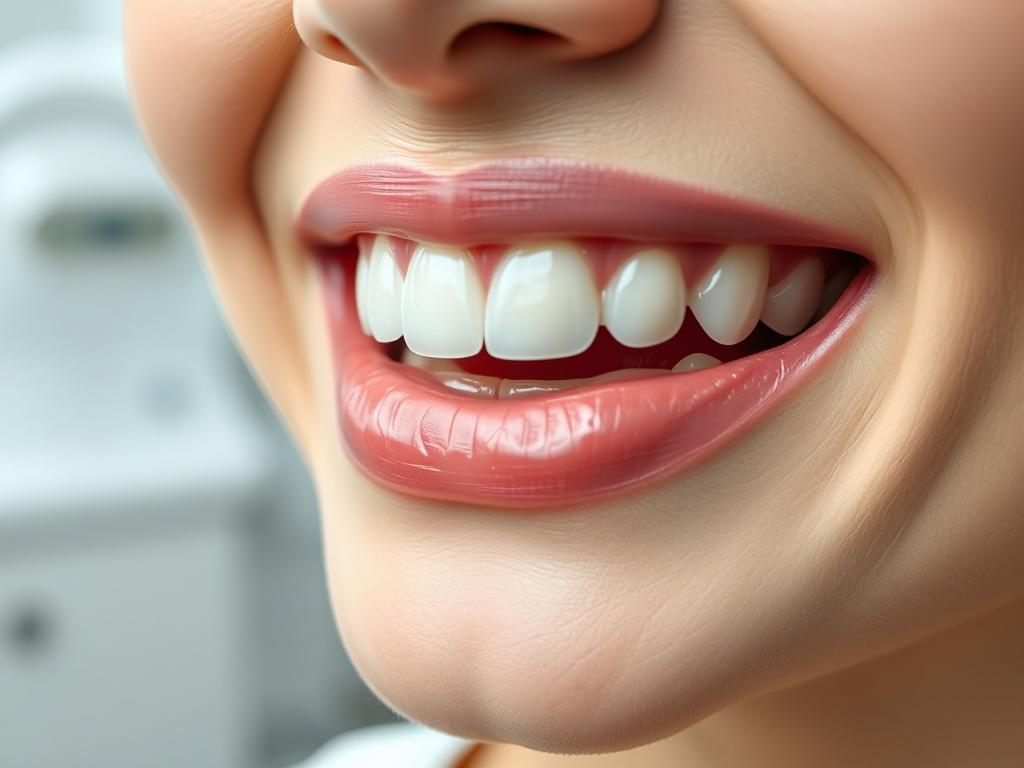
Gum disease, a common yet often overlooked condition, can lead to serious oral health issues if left untreated. Understanding the importance of early detection is crucial for maintaining healthy gums and preventing more severe complications down the line. By recognizing early signs of gum disease and taking proactive steps, you can safeguard your smile and overall well-being. In this blog post, we will discuss how to identify these early symptoms and equip you with effective strategies to monitor your gum health at home.
In the following sections, you will learn how to identify the early signs of gum disease, empowering you to take charge of your oral hygiene. By staying informed about the key symptoms to watch for, you can catch potential problems before they escalate. Additionally, we will share valuable tips on effective home monitoring techniques, ensuring you stay proactive in your fight against gum disease. Don't wait for pain or discomfort—let's explore how you can keep your gums healthy and vibrant.
Understanding the importance of early detection in gum disease
Early detection of gum disease is crucial for maintaining optimal oral health. When identified in its initial stages, gum disease—also known as periodontal disease—can be managed effectively, preventing it from progressing to more severe conditions. If left untreated, gum disease can lead to tooth loss, bone damage, and has even been linked to systemic health issues such as heart disease and diabetes. Awareness of the early signs can empower individuals to seek treatment sooner rather than later, preserving not only their teeth but also their overall well-being.
Proactive monitoring and timely intervention can make a significant difference in the outcomes associated with gum disease. Regular dental check-ups and personal vigilance can identify problems before they escalate. Recognizing early symptoms allows for a tailored oral care routine, which can mitigate risks and support gum health. In the following sections, we will explore the key symptoms to watch for and effective at-home strategies to actively monitor your gum health, ensuring you are well-equipped to recognize and address potential issues as they arise.
Key symptoms to watch for: Learn how to identify the early signs of gum disease
Identifying the early signs of gum disease is crucial for effective intervention and treatment. One of the first symptoms you may notice is persistent bad breath, which can indicate a buildup of bacteria in the mouth. Additionally, you might observe redness or swelling in your gums, especially around the areas where plaque accumulates. Pay attention to bleeding gums during brushing or flossing, as this is a common signal of gingivitis, the initial stage of gum disease. If you experience any changes in the texture or color of your gums, it’s essential to consult a dental professional promptly.
Another telling sign of early gum disease is the presence of receding gums. This occurs when your gums pull back from the teeth, exposing more of the tooth’s surface and leading to sensitivity. You might also notice pockets forming between the teeth and gums, which can trap food and bacteria. By recognizing and acting on these symptoms early, you can prevent the progression of gum disease and maintain better overall oral health. Make it a habit to check your gums regularly for any of these indicators, and don’t hesitate to reach out to your dentist if you have concerns.
Effective strategies for monitoring your gum health at home
Maintaining your gum health at home involves a proactive approach to oral hygiene. Start by incorporating regular brushing and flossing into your daily routine. Brush your teeth at least twice a day using fluoride toothpaste, and don’t forget to floss daily to remove plaque and food particles from between your teeth. Additionally, consider using an antimicrobial mouthwash to help reduce plaque buildup and keep your gums healthy. Make it a habit to check your gums while brushing; look for changes in color and texture, and pay attention to any bleeding that may occur.
Another crucial strategy is to schedule regular dental check-ups. During these visits, your dentist can perform professional cleanings and thorough examinations to catch any early signs of gum disease that you might miss at home. In between visits, keep a log of any symptoms you notice, such as gum sensitivity or persistent bad breath. Use this log to discuss your concerns with your dentist. By paying close attention to your gum health and making small adjustments to your routine, you can significantly reduce the risk of developing gum disease.